


Claude Opus 5.5 is Ready





 AI Chat
 AI Image
 AI Writing
 AI Study
 AI Work
 AI Translate






One Platform. Multiple AI Models.
Meet, chat, and create with leading AI models like GPT-5.6 Luna, Grok-4.1 Fast, Claude Haiku 4.5 and more — all in a single, simple platform.



Trusted by millions of users worldwide




Claude Opus 5.5: Expected Capabilities for Complex AI Work
Claude Opus 5.5 Online – Expected Features, Release Outlook and Access. Claude Opus 5.5 is attracting attention from developers, researchers, writers, and AI users looking for the next major upgrade in Anthropic’s Opus family. Although the model has not been officially confirmed, current discussions focus on whether it could deliver stronger coding, more reliable agentic workflows, improved professional writing, and better performance on long, complicated tasks.
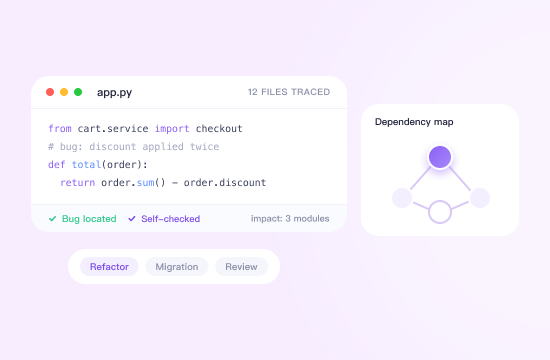
Solve Difficult Coding Problems Across Larger Projects
Claude Opus 5.5 could improve multi-file coding by tracing dependencies, locating bugs, and evaluating how changes affect an application. Developers may use it for code review, testing, refactoring, migrations, and architecture planning, with stronger self-checking to produce more reliable solutions.
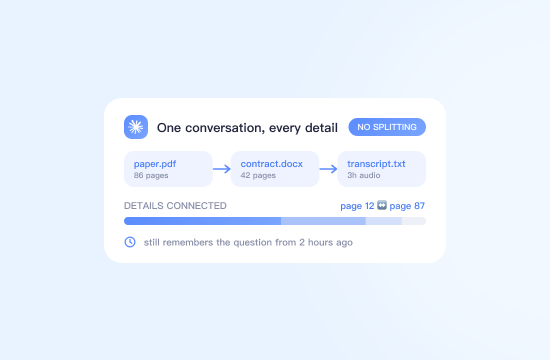
Maintain Context Across Long Documents and Conversations
Claude Opus 5.5 could better connect details across long documents and conversations, making it useful for analyzing research papers, contracts, transcripts, and technical materials without splitting them into smaller prompts. Its exact context and output limits remain unconfirmed.
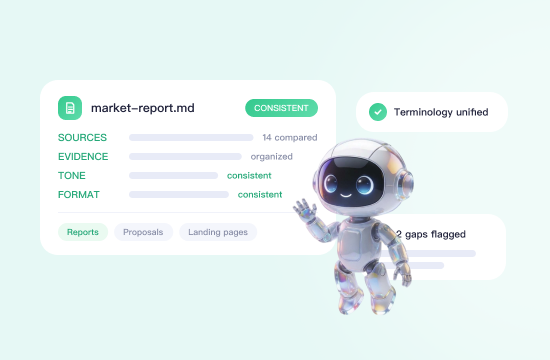
Produce More Consistent Research and Professional Writing
Claude Opus 5.5 could improve source comparison, evidence organization, uncertainty handling, and gap detection. For writing, it may help create reports, proposals, landing pages, and technical content while maintaining consistent terminology, tone, structure, and formatting.
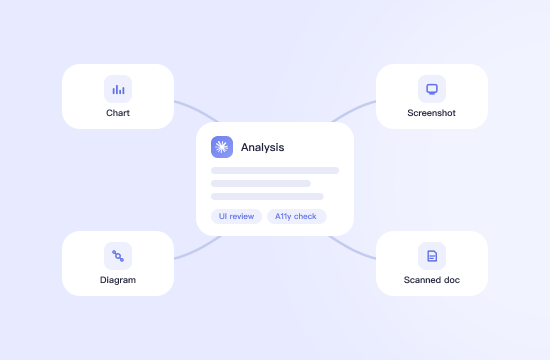
Understand Images, Screenshots, Charts and Visual Information
Claude Opus 5.5 could improve multimodal analysis of charts, screenshots, diagrams, and scanned documents. It may support interface reviews, front-end troubleshooting, accessibility checks, and academic research, depending on the platform’s supported upload formats and file limits.
Run Longer Agentic and Multi-Step Workflows
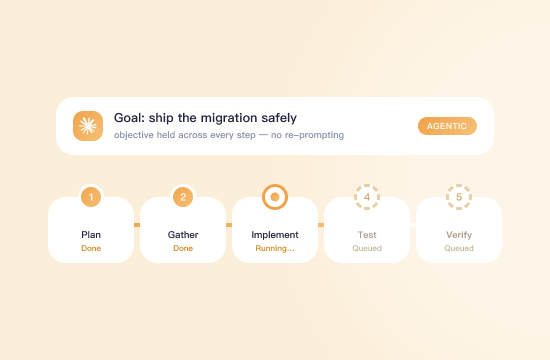
Complex projects require planning, context gathering, drafting, evaluation, and revision. Claude Opus 5.5 could be valuable if it maintains objectives across tasks like analyzing code, implementing changes, testing, organizing research, and verifying conclusions. Browsing, coding, file editing, and app interaction still depend on platform-provided tools and permissions.
Why Choose Claude Opus 5.5 on ChatGOAT AI?

Check Model Availability Easily
Use ChatGOAT AI’s model selector to check whether Claude Opus 5.5 is available. Until its official release, you can use the Claude models currently listed and compare their results.

Work with Files, Code and Images
ChatGOAT AI supports practical workflows involving text, notes, code, documents, and supported image uploads. Continue refining your work in the same conversation.

Skip Complex API Setup
Start chatting through a browser-based interface without manually configuring API keys, model IDs, or endpoints. Developers should consult Anthropic’s official documentation for direct API access.

Compare Models for Different Tasks
Test the same prompt with different AI models to compare accuracy, reasoning, speed, writing quality, and the amount of editing required.
How to Use Claude Opus 5.5 on ChatGOAT AI
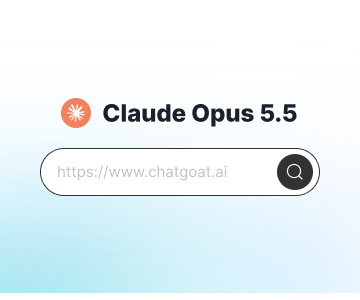
Step 1: Open ChatGOAT AI
Open ChatGOAT AI and check the model selector for Claude Opus 5.5 or other available Claude models.
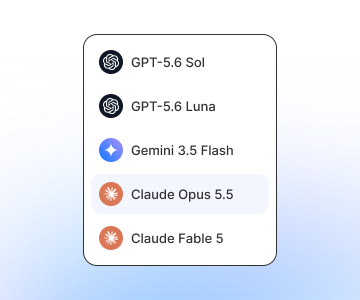
Step 2: Select a Model and Add Context
Choose the model, describe your goal, and provide relevant text, code, documents, screenshots, or notes.
Step 3: Ask, Review and Refine
Submit a specific request, review the response, verify important details, and use follow-up prompts to improve the result.
Try the Latest Claude Models on ChatGOAT AI
Have a difficult coding issue, a long document to analyze, or a project that needs more than a quick AI response? Open ChatGOAT AI and check which Claude models are currently available.
Why Users Love Claude Opus 5.5
Why Users Love Claude Opus 5.5
 Alex M.
“It followed the problem beyond one function.” I gave it the error message and the related files. Instead of changing the first suspicious line, it followed the surrounding logic and suggested a fix I could test.
 Rachel T.
“My research notes became much easier to use.” I had information from several reports but no clear structure. It organized the main findings, separated disagreements between sources, and showed me which questions still needed evidence.
 Michael R.
“It kept the writing aligned with my original brief.” I asked for several rounds of revision, and it continued to follow the audience, tone, and formatting requirements I provided at the beginning.
 Sophia L.
“It found details I had missed in a long document.” I used it to review a lengthy project specification. It connected requirements from different sections and pointed out two instructions that appeared to conflict.
 Daniel K.
“The project plan was more useful than a generic answer.” Instead of immediately generating the final output, it broke the project into stages, identified missing information, and gave me a clear order for completing the work.
Emma C.“I could move between notes, images and written instructions.” I combined a screenshot with written feedback and asked for a more organized explanation. The response helped me turn scattered comments into a practical revision list.
Claude Opus 5.5 FAQ
Claude Opus 5.5 FAQ
What is Claude Opus 5.5?

Has Claude Opus 5.5 been released?
When is the Claude Opus 5.5 release date?
Is the Claude Opus 5.5 leak real?
What features could Claude Opus 5.5 include?
Will Claude Opus 5.5 be better for coding?
What will the Claude Opus 5.5 context window be?
Can I use Claude Opus 5.5 online?
Can I use Claude Opus 5.5 for free?